
 By Shishir Prashant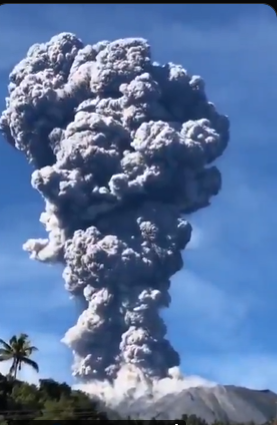
PrashantNews
A powerful magnitude 7.7 earthquake struck eastern Indonesia on Saturday, killing at least 51 people, injuring more than 100 and forcing thousands of residents from their homes as rescuers continued searching through collapsed buildings and landslide-hit areas, media reports said on Sunday.
The shallow earthquake struck off the northern coast of Flores Island in East Nusa Tenggara province at around 5:58 am local time. According to the US Geological Survey, the epicentre was about 68 kilometres north-northwest of Ende and only around 10 kilometres below the surface, intensifying the impact of the tremor.
The worst devastation was reported in Nagekeo, Manggarai and East Manggarai regencies. Hundreds of houses were destroyed or damaged, while schools, health facilities and government buildings were also affected. More than 900 homes were reported destroyed in the latest assessments, while around 5,000 people had moved to temporary shelters.
The earthquake also triggered landslides that blocked roads and cut off several communities. The Trans-Flores Highway, a key road connecting parts of the island, was among the routes affected, hampering the movement of rescue teams and relief supplies. Communication and electricity services were also disrupted in several areas.
Authorities initially said at least 157 houses had been destroyed and nearly 200 others damaged in Nagekeo, with about 2,000 villagers evacuated to temporary shelters. As assessment teams reached more remote areas, the scale of the destruction continued to emerge.
The earthquake briefly prompted a tsunami warning for parts of eastern Indonesia. Small tsunami waves were subsequently recorded, with the highest reported wave reaching about 1.6 metres at Riung village. The warning was later lifted, but residents were urged to remain alert because of continuing aftershocks.
More than 235 aftershocks were recorded following the main earthquake, with several strong tremors adding to the fear among residents and complicating rescue efforts. One of the strongest aftershocks was above magnitude 6.
Emergency teams have been deployed across the affected region, but rescuers have faced major difficulties reaching some communities because of blocked roads, landslides and damaged infrastructure. Authorities are using available aircraft and other means to reach isolated areas and deliver emergency supplies.
In some badly affected communities, residents spent the night outdoors, fearing further collapses and aftershocks. Temporary medical facilities have been established as hospitals and other public infrastructure were damaged.
The earthquake struck in one of the world’s most seismically active regions. Indonesia lies on the Pacific “Ring of Fire”, where several tectonic plates meet, making the country highly vulnerable to earthquakes, volcanic eruptions and tsunamis.
The latest disaster has revived memories of the devastating earthquakes that have struck Indonesia in the past, including the 1992 Flores earthquake and tsunami and the 2018 Sulawesi earthquake and tsunami.
With rescue and damage-assessment operations still underway, authorities have warned that the death toll and damage estimates could rise further as emergency teams reach communities that remain cut off.
Mount Ibu in Indonesia also erupted following the earthquake. Smoke and ash rose up to 5 kms.