
 By Shishir Prashant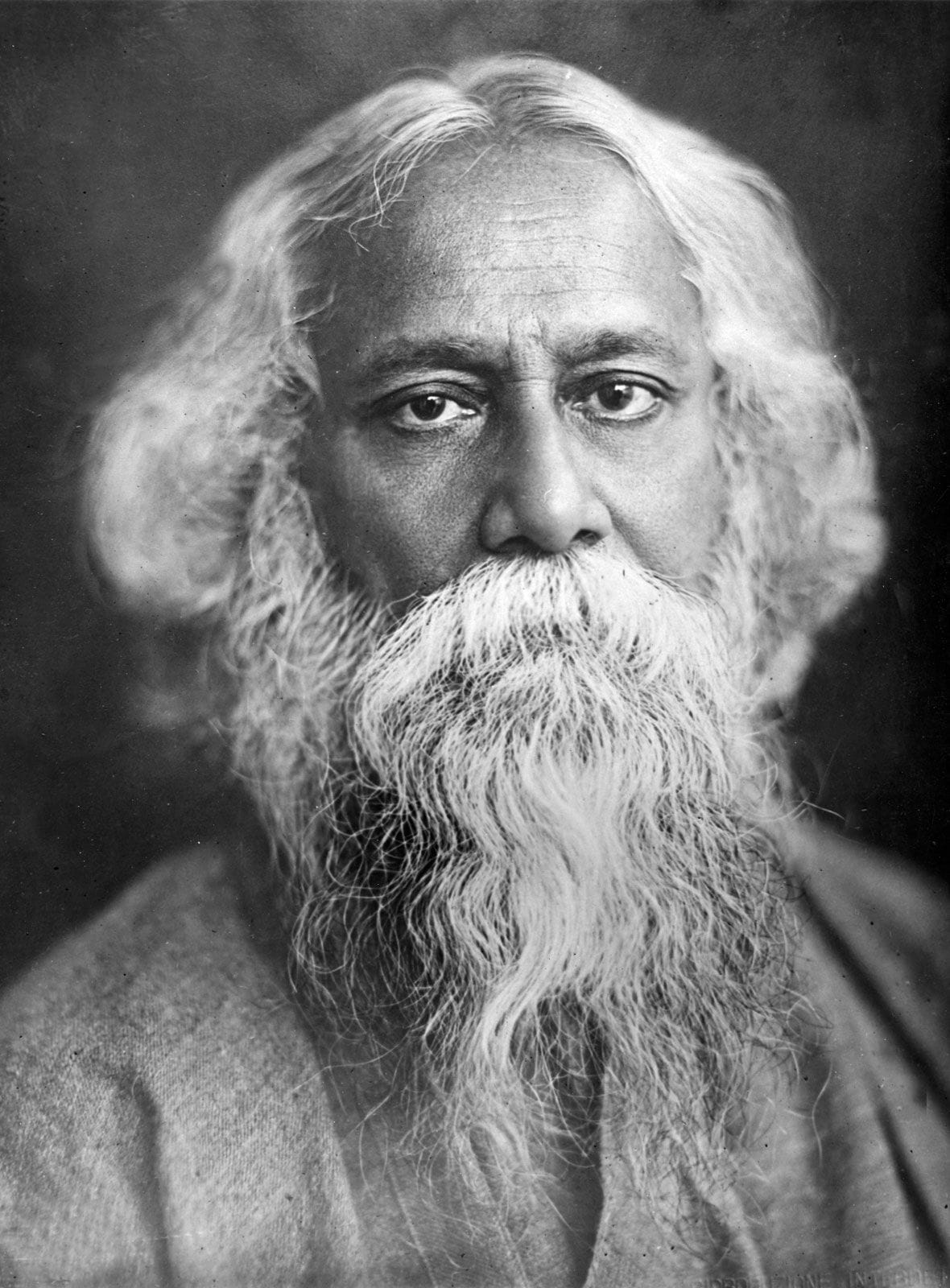
PrashantNews
Canadian poet, essayist and translator Anne Carson, born in Toronto in 1950, won the 2026 Nobel Prize in Literature on Thursday, renewing an old question in India: why has the country not produced a second Nobel laureate in literature after Rabindranath Tagore?
Carson, 76, was honoured for her “bold and inventive” body of work, which blends poetry, prose, translation and classical scholarship. The Swedish Academy praised her engagement with classical traditions and her creation of new literary forms.
Tagore remains the only Indian-born writer to have won the Nobel Prize in Literature, receiving the award in 1913 for Gitanjali. He was also the first Asian Nobel laureate.
But India’s Nobel story in literature is not entirely confined to Tagore.
Several Indian writers and intellectuals were nominated for the prize. Sri Aurobindo was nominated for Literature in 1943, while philosopher and former President S. Radhakrishnan received multiple nominations, including several for Literature between 1933 and 1963.
The Nobel nomination archives, however, remain closed for 50 years, meaning the full picture of more recent Indian contenders cannot yet be known.
Among writers of Indian origin, V.S. Naipaul went on to win the Literature Nobel in 2001. Born in Trinidad to a family descended from Indian immigrants, Naipaul was a British writer and was honoured for works that examined suppressed histories, colonialism and post-colonial societies.
India has since produced a formidable list of internationally acclaimed writers, including R.K. Narayan, Raja Rao, Mahasweta Devi, U.R. Ananthamurthy, Amitav Ghosh and Salman Rushdie, whose works have carried Indian experiences, history, colonialism, migration and social change to readers around the world.
The absence of another Nobel has also fuelled a long-running debate over the international reach of Indian-language literature. Critics have often pointed to the limited availability, quality and global circulation of translations from India’s rich Bengali, Hindi, Kannada, Malayalam, Tamil and other literary traditions.
For a country with one of the world’s most diverse literary cultures, the wait for a second Literature Nobel continues.
Tagore won it 113 years ago. India is still waiting for the next one.