
 By Shishir Prashant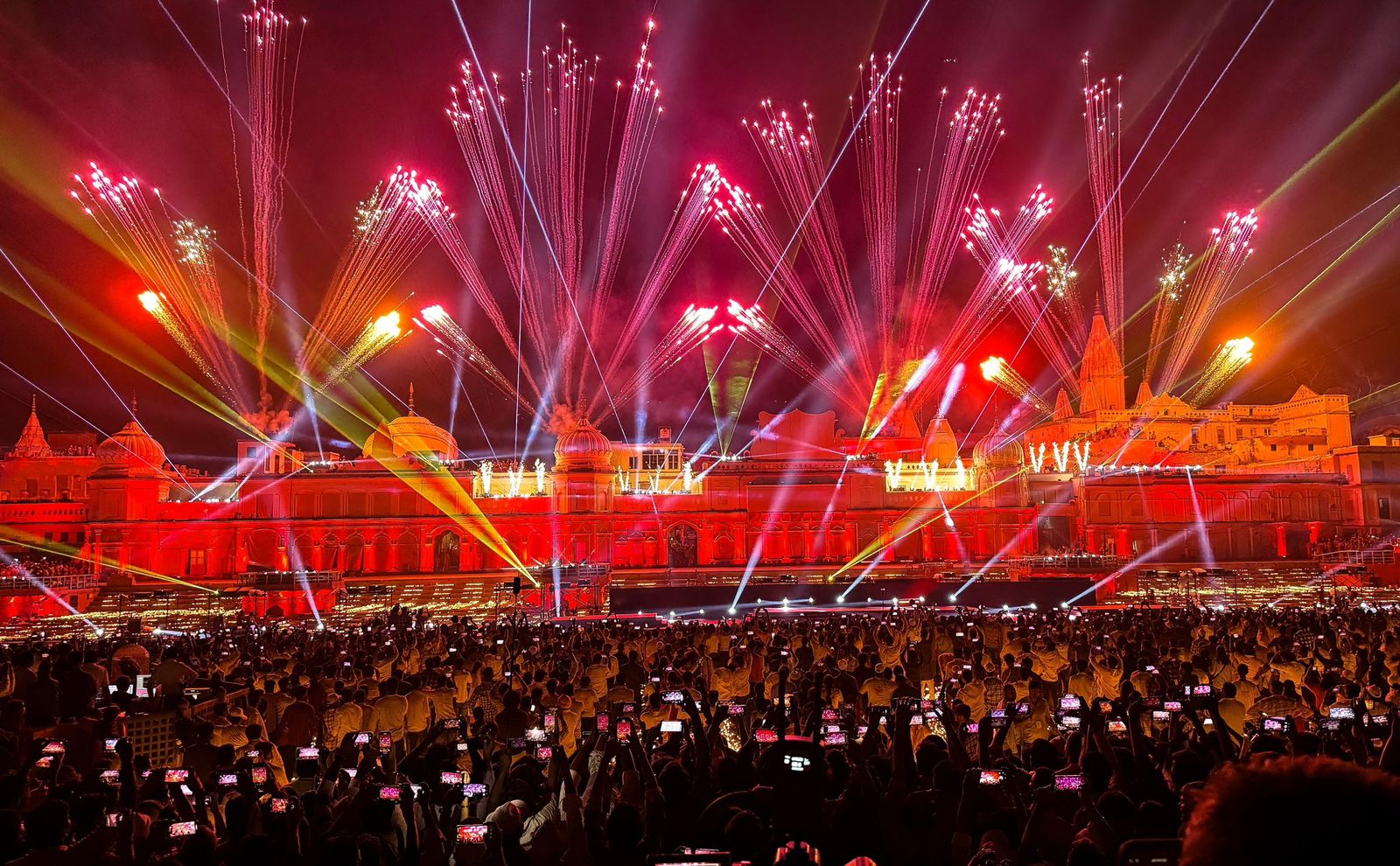
PrashantNews
Diwali, India’s widely celebrated Hindu festival of lights, has now been inscribed on the Representative List of the Intangible Cultural Heritage of Humanity today during the 20th Session of the UNESCO Intergovernmental Committee, held at the Red Fort, New Delhi.
Diwali festival began in Ayodhya where people celebrated the return of Lord Rama to his kingdom along with his wife Sita and brother Lakshmana after defeating the demon king Ravana of Lanka.
The inscription was adopted in the presence of Union Minister of Culture Gajendra Singh Shekhawat, Vivek Aggarwal Secretary, Ministry of Culture, along with the senior officials of Ministry of Culture and delegates from 194 Member States, international experts, and representatives of UNESCO’s global network.
Addressing the international delegates, Shekhawat said the inscription marks a moment of immense pride for India and for communities across the world who keep alive the timeless spirit of Deepavali. The Minister noted that the festival embodies the universal message of “Tamso Ma Jyotirgamaya” the transition from darkness to light, symbolising hope, renewal, and harmony.
The nomination, prepared by the Ministry of Culture through the Sangeet Natak Akademi, followed an extensive nationwide consultation involving practitioners, artisans, agrarian communities, diaspora groups, individuals with special needs, transgender communities, cultural organisations, and tradition bearers from across India. Their collective testimonies highlighted Deepavali’s inclusive character, its community-led continuity, and its wide ecosystem of livelihoods from potters and rangoli artists to sweet-makers, florists, and craftspeople.
UNESCO’s inscription acknowledges Diwali as a living heritage that strengthens social bonds, supports traditional craftsmanship, reinforces values of generosity and wellbeing, and contributes meaningfully to several Sustainable Development Goals, including livelihood enhancement, gender equality, cultural education and community welfare.
The Ministry of Culture welcomed the decision, noting that the inscription will further promote global awareness about India’s intangible cultural heritage and reinforce efforts to safeguard community-based traditions for future generations.