
 By Shishir Prashant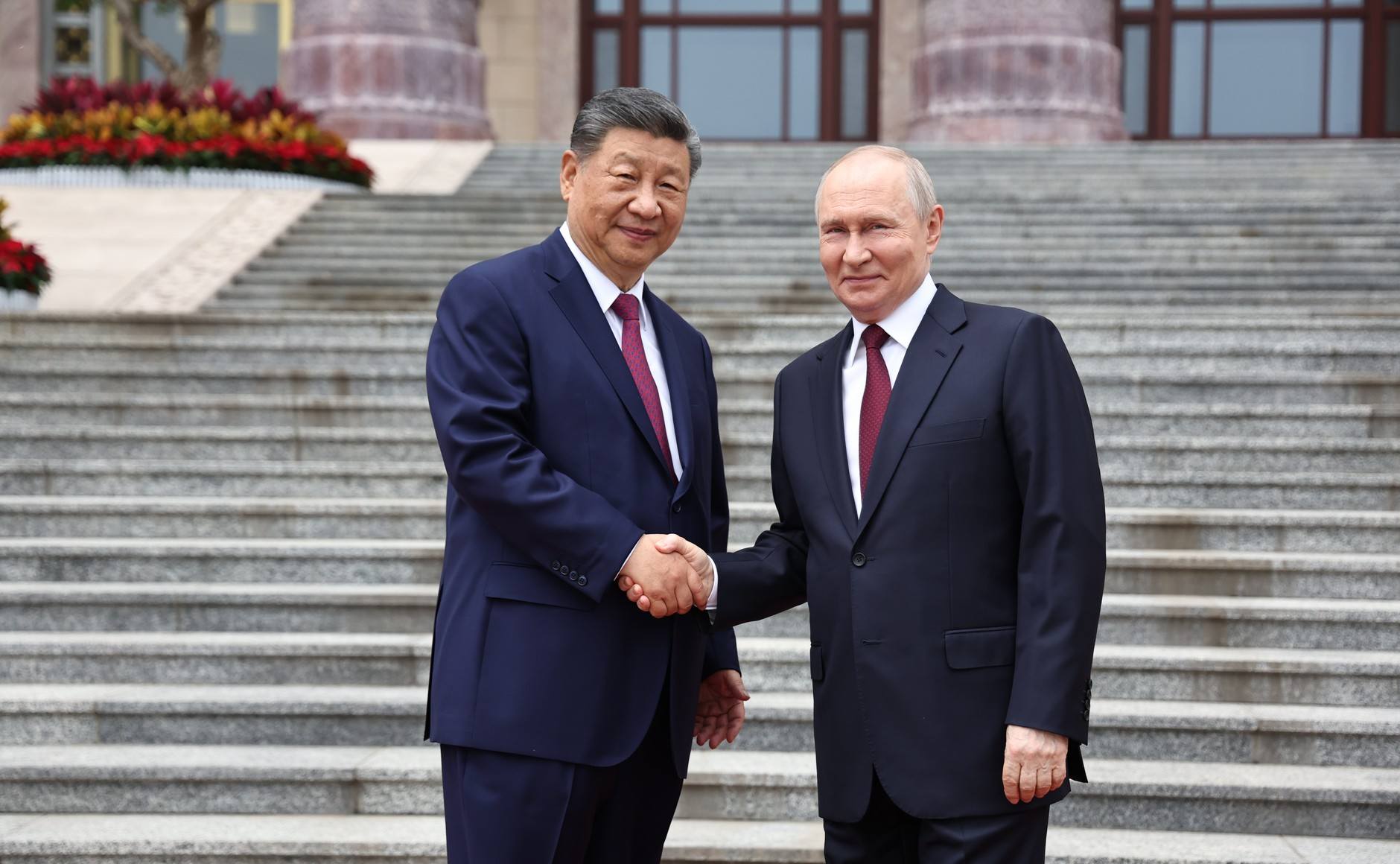
PrashantNews
Russian President Vladimir Putin’s latest visit to Beijing has once again underlined the growing strategic partnership between Russia and China, but analysts believe the visit produced more political symbolism than major concrete gains for Moscow.
Putin held extensive talks with Chinese President Xi Jinping during the two-day summit that came at a time when the global balance of power is changing fast in the wake of the Middle East crisis. The visit also followed closely after former US President Donald Trump’s high-profile Beijing trip, making the Russia-China summit geopolitically significant.
The two leaders projected strong unity and described bilateral ties as being at an “unprecedented level.” Both countries signed more than 40 cooperation agreements covering trade, technology, energy, media and strategic coordination. Russia and China also jointly criticised what they called “hegemonism” and unilateral actions by the US and its allies.
For Putin, the visit was important because Russia continues to face heavy Western sanctions over the Ukraine conflict. China has emerged as Moscow’s biggest economic lifeline, especially in energy exports and trade. Bilateral trade between the two countries has crossed $230 billion annually, showing how deeply Russia now depends on Chinese markets.
However, the biggest expectation from the summit — final approval of the ambitious “Power of Siberia 2” gas pipeline — remained unfulfilled. Putin hoped to secure a breakthrough agreement that would allow Russia to redirect massive gas supplies from Europe to China. But Beijing avoided making a final commitment, reportedly due to disagreements over pricing, supply flexibility and long-term market conditions, media reports quoting experts said.
The planned 2,600-km Power of Siberia 2 system is expected to carry 50 billion cubic metres (bcm) of gas per year to China through Mongolia from the Arctic gas fields of Yamal. It would complement the existing Power of Siberia 1 pipeline that brought 38 bcm of gas from Russia to China last year. In September, during the last meeting between Putin and Xi, the two sides agreed to increase the capacity of the Power of Siberia 1 to 44 bcm a year.
The absence of a final pipeline deal is being viewed as a major setback for Moscow. Analysts say it reflects the changing balance in the relationship, where China now holds stronger bargaining power because of Russia’s economic vulnerabilities. Beijing appears willing to support Moscow politically, but remains cautious about becoming overly dependent on Russian energy or damaging its own ties with global markets.
Still, the visit was not without achievements. Both countries reaffirmed support for each other’s core interests. Russia backed China on Taiwan-related concerns, while China echoed Russia’s criticism of NATO expansion and Western security policies. The two sides also expanded cooperation in artificial intelligence, defence coordination and regional security matters.
Overall, Putin’s Beijing visit can be described as diplomatically successful but economically incomplete. The summit demonstrated that Russia and China remain strategically aligned against Western influence and are determined to deepen cooperation. Yet the failure to secure the key gas pipeline agreement showed that China is carefully protecting its own national interests and is not ready to give Moscow everything it wants.
For Putin, the optics of standing shoulder-to-shoulder with Xi were valuable. But behind the public display of friendship, the visit also highlighted Russia’s growing dependence on China in an increasingly uncertain global order.