
 By Shishir Prashant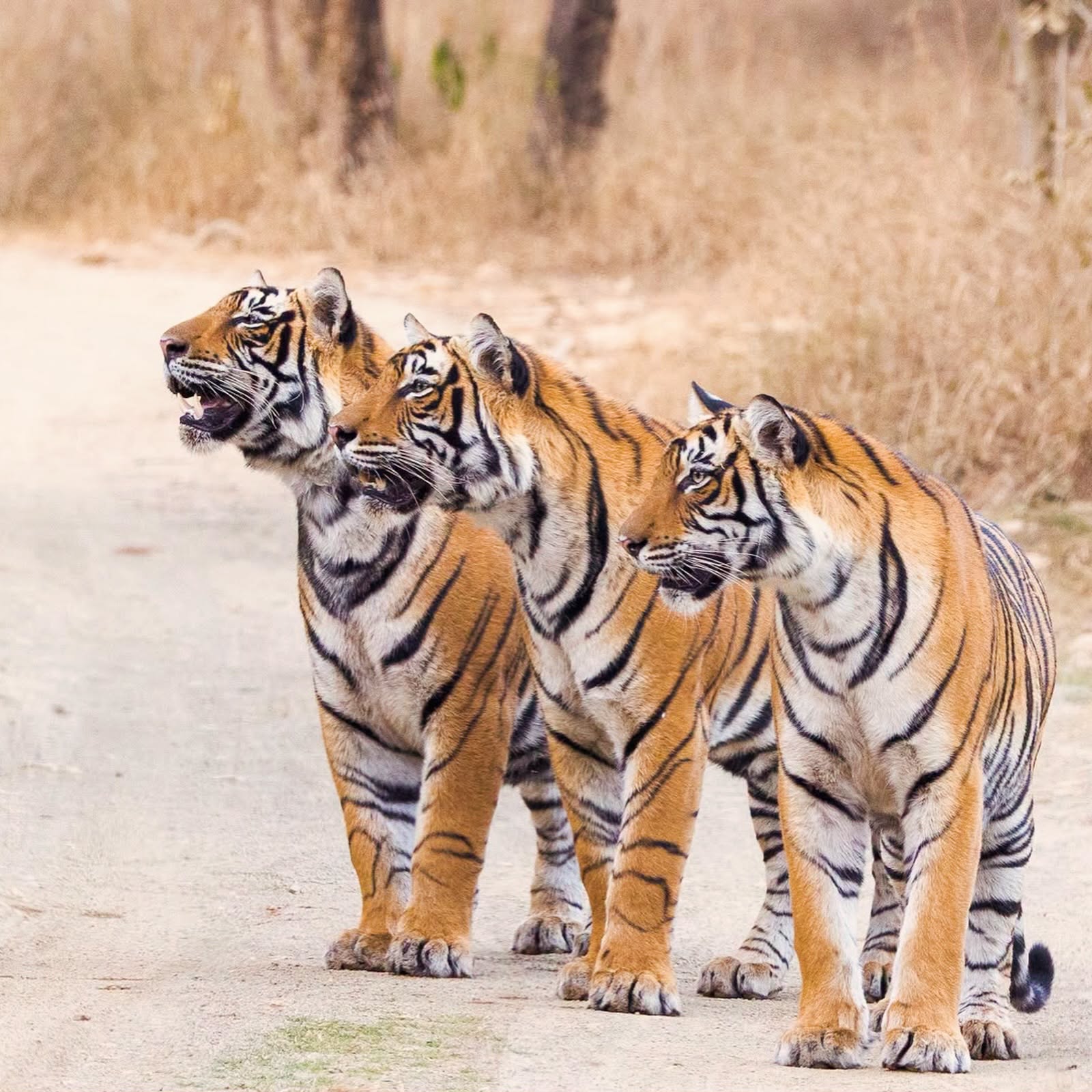
PrashantNews
India on Wednesday observed Global Tiger Day reaffirming its commitment to tiger conservation and protection of forest ecosystems that support the country’s rich biodiversity.
Marked every year on July 29, Global Tiger Day was instituted in 2010 at the St. Petersburg Tiger Summit to raise awareness about the need to conserve the endangered big cat and its habitats.
Home to nearly 75 per cent of the world’s wild tigers, India has emerged as a global leader in tiger conservation through sustained efforts under Project Tiger, launched in 1973. The country has expanded its network of tiger reserves, strengthened anti-poaching measures, improved habitat management and encouraged community participation in wildlife protection.
On the occasion, wildlife experts highlighted that healthy tiger populations are an indicator of thriving forests, which also secure water sources, regulate climate and support countless other species.
Several tiger reserves, forest departments, educational institutions and conservation organisations organised awareness campaigns, nature walks, exhibitions and outreach programmes to educate people, especially the younger generation, about the importance of protecting tigers and their habitats.
Conservationists, however, cautioned that challenges such as habitat fragmentation, human-wildlife conflict, poaching and developmental pressures continue to threaten tiger landscapes. They stressed the need for sustained conservation efforts, scientific monitoring and greater public participation to ensure the long-term survival of the iconic species.
Global Tiger Day serves as a reminder that protecting tigers also means safeguarding forests and preserving ecological balance for future generations.
Caption: PM Modi shared a wonderful picture of three tigers on social media on the occasion of Global Tiger day.