
 By Shishir Prashant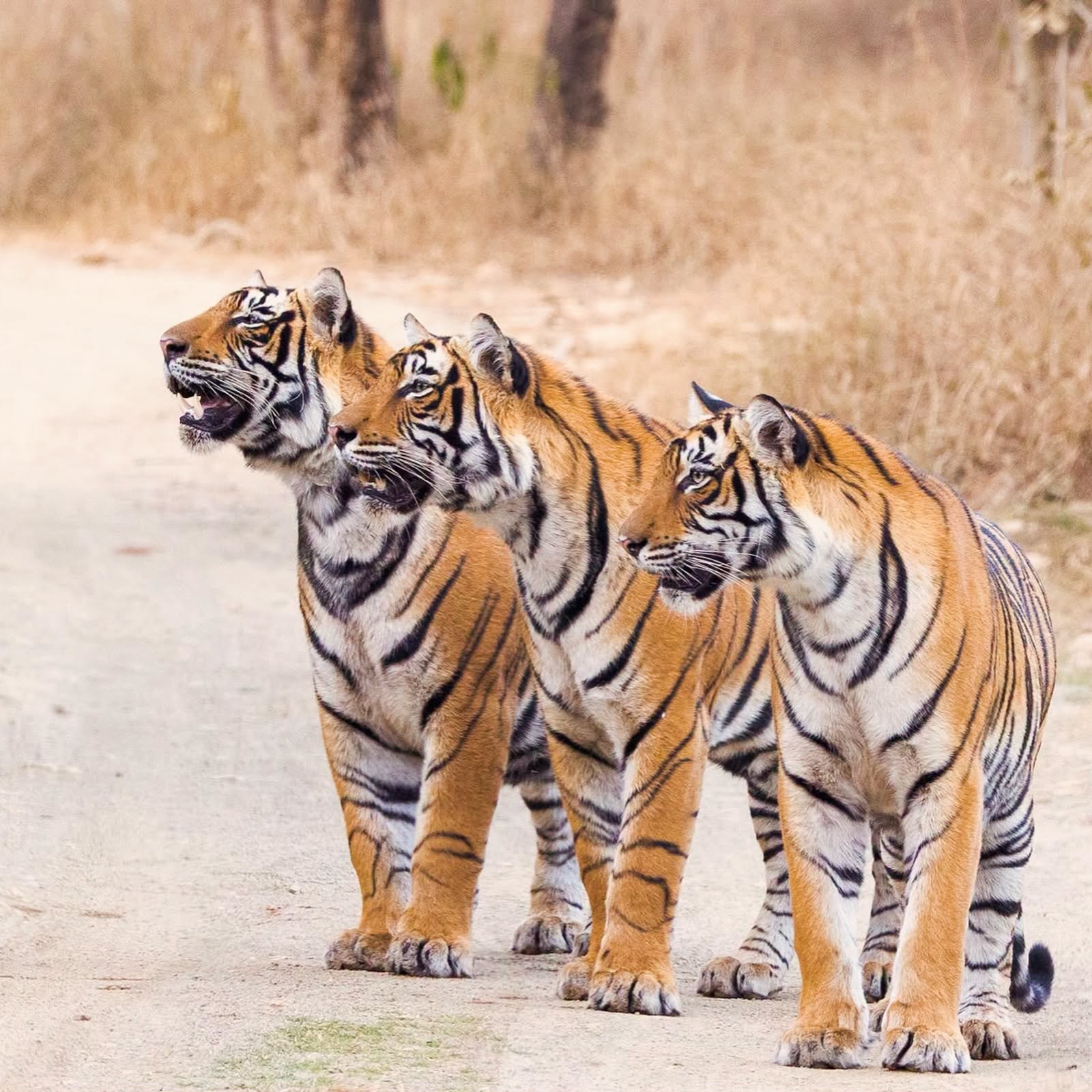
PrashantNews
The number of tiger reserves in India has increased from 47 to 58 and elephant reserves from 30 to 33 over the past decade, Union Environment Minister Bhupender Yadav said on Monday, highlighting the country’s expanding efforts to conserve wildlife and natural habitats.
Inaugurating the Global Conservation Conference of the World Wide Fund for Nature (WWF) in Jaipur, Yadav said the progress reflected the vision of Prime Minister Narendra Modi in the field of wildlife conservation.
He said India’s protected areas had also increased from around 750 to more than 1,000 during the last decade. The number of Ramsar sites, meanwhile, rose sharply from 24 to 101, he said.
Yadav highlighted India’s cheetah reintroduction programme as another significant conservation initiative and spoke of the country’s achievements in recovering populations of tigers, elephants, rhinoceroses and Asiatic lions.
He said India’s commitment to species conservation was both constitutional and cultural, with the Constitution making wildlife protection a directive for the State as well as a duty of citizens. India is also a party to major international conservation agreements, including CITES, the Convention on Migratory Species (CMS), the Convention on Biological Diversity (CBD) and the Ramsar Convention.
The minister underlined the importance of scientific research and systematic monitoring in conservation. He said nationwide population assessments of tigers, elephants, dolphins, lions and snow leopards had generated valuable information for improving habitats, securing wildlife corridors and adopting a landscape-level approach to conserving large mammals.
Yadav also highlighted conservation breeding of the Great Indian Bustard in Rajasthan and community-led protection of sacred groves known as Orans, saying such initiatives were helping address land degradation.
He stressed that conservation efforts must focus not only on forests but also on grasslands and wetlands, which provide critical habitats for wildlife. He referred to ongoing conservation programmes for the one-horned rhinoceros and wild water buffalo.
Calling for greater cooperation among conservationists, Yadav said the focus should be on moving beyond reflection, learning from successful initiatives and translating those lessons into action.