
 By Shishir Prashant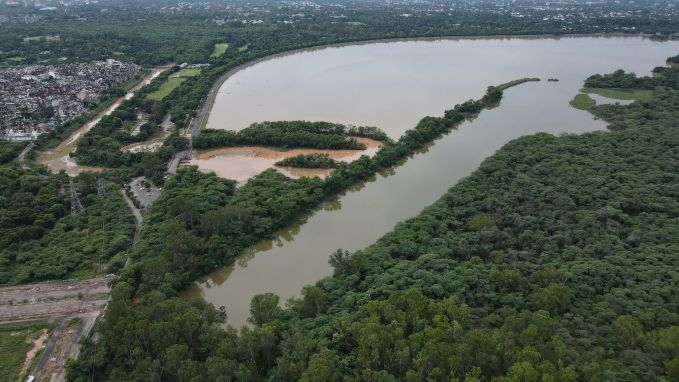
PrashantNews
India’s tally of Ramsar sites has risen to 103 with the inclusion of Sukhna Wetland in Chandigarh and Sauj Jheel in Uttar Pradesh, Union Environment Minister Bhupender Yadav announced on Thursday.
In a post on X, Yadav said the additions reaffirm India’s efforts to conserve wetlands, protect biodiversity, strengthen water and climate security, and sustain local livelihoods. He congratulated Chandigarh and Uttar Pradesh on the achievement and encouraged travellers to visit the two wetlands.
Ramsar sites are wetlands recognised as being of international importance under the Ramsar Convention, an international treaty adopted in 1971 to promote wetland conservation and their wise use. India joined the convention in 1982.
Sukhna Wetland, located on the outskirts of Chandigarh at the foothills of the Outer Himalayas, is an important habitat for resident and migratory waterbirds. It lies along the Central Asian Flyway, a major migratory route for birds, and supports species including the vulnerable common pochard and the endangered Pallas’s fish eagle. The wetland also helps regulate water and sediment flows from its surrounding catchment.
Sauj Jheel in Uttar Pradesh is a shallow lake surrounded by farmland in the floodplain of the Ganga. It forms part of a wider network of wetlands and provides feeding, nesting and breeding habitats for waterbirds. The site regularly supports more than 30,000 waterbirds and is important for species such as the vulnerable sarus crane and greater spotted eagle.
The Ramsar designation places both wetlands on the international list of sites recognised for their ecological importance. It also underscores the need for effective conservation and management to address threats such as habitat degradation, pollution, sedimentation and the pressure of human activities.
Yadav said the additions reflected the ecological, climatic and livelihood benefits provided by wetlands. His appeal to tourists to visit Sukhna and Sauj also highlights their potential for nature-based tourism, provided that visitor activities remain compatible with conservation.
The two additions bring India’s Ramsar network to 103 sites, strengthening the country’s international wetland conservation portfolio. The designation, however, also places importance on sustained management to protect the ecological functions and biodiversity that earned the wetlands recognition.