
 By Shishir Prashant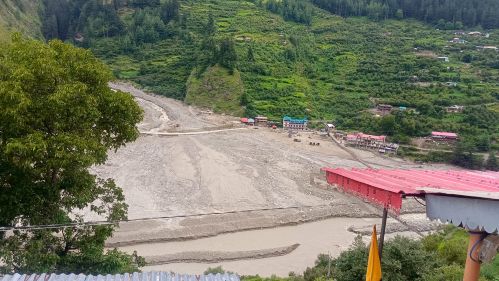
PrashantNews
After a series of big disasters like Kedarnath, Dharali and Nepal, the Uttarakhand Cabinet has approved the Flood Plain Zoning Rules, 2026, more than 14 years after the state enacted legislation to protect vulnerable river corridors.
The decision, which was taken at a cabinet meeting in Haridwar on Monday, came amid recurring disasters in Uttarakhand, Nepal and other areas, which have renewed concerns over construction in flood-prone zones and the need to preserve the natural flow of rivers.
The rules are intended to provide detailed procedures, standards and mechanisms for implementing the Uttarakhand Flood Plain Zoning Act, 2012. The objective is to regulate land use and development in vulnerable areas while protecting human lives, property and critical infrastructure from flood damage.
Former Uttarakhand chief secretary Alok Jain, who was the chief architect of the 2012 flood plain zoning act, has called for the law to be implemented in its true spirit, citing the need to prevent a repeat of disasters such as the cloudburst-triggered devastation in Dharali in Uttarkashi district in August 2025. “This Act should be implemented in its true spirit to mitigate the sufferings in any future calamities,” Jain said. He also pointed to the Union Environment Ministry’s 2012 declaration of the Bhagirathi river stretch from Gaumukh to Uttarkashi as an eco-sensitive zone, arguing that the existing safeguards need to be taken seriously.
According to a rough estimate, hundreds of new constructions and structures have come up since the floodplain zoning legislation was enacted in 2012, highlighting the challenge of enforcing restrictions in vulnerable river areas.
The notification for the Uttarakhand Flood Plain Zoning Act was issued on January 28, 2013. The Act defines floodplains to include water channels, flood channels and low-lying areas susceptible to inundation during floods.
Floodplain zoning involves demarcating areas that can be inundated when rivers and streams overflow their channels and regulating or restricting human activities in these zones. Such measures are intended to prevent encroachments, avoid obstruction of the natural flow of water and limit exposure to flood hazards.
The Act provides for a survey of rivers to determine the boundaries within which its provisions will apply. It also envisages the preparation of appropriate maps, charts and registers recording boundaries, landmarks and other details necessary to identify these areas.
Based on a report from the Flood Zoning Authority or otherwise, the state government can issue a notification in the Official Gazette declaring its intention to demarcate floodplain areas. It can subsequently prohibit or restrict the use of land in the notified zones.
The 2026 rules are expected to establish the procedures and standards required to operationalise these provisions. Their practical impact will depend on the identification and demarcation of vulnerable stretches, enforcement of land-use restrictions and action against unauthorised construction.
H P Uniyal, former director of the state planning commission, also backed the need for effective implementation of the law. He said the government must take all necessary steps to prevent encroachments along rivers, particularly in floodplains.
The approval of the rules could provide an opportunity for the state to move from legislation to implementation, especially in areas where settlements and infrastructure face repeated exposure to floods and extreme rainfall.
For a Himalayan state vulnerable to cloudbursts, flash floods and overflowing rivers, effective floodplain zoning is an important part of disaster-risk reduction. However, the intended benefits will depend on whether the rules translate into clear demarcation on the ground, enforceable restrictions and the prevention of further encroachments.