
 By Shishir Prashant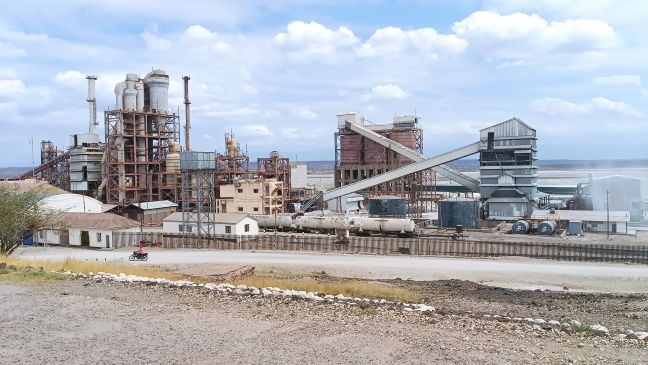
PrashantNews
In the age of globalization, Tata Chemicals is facing the heat of the economic nationalism in Kenya after the country’s President William Ruto asked it to stop operation at its Lake Magadi soda ash facility.
Ruto has accused Tata Chemicals of failing to provide adequate economic benefits to the local population from its Lake Magadi soda ash facility despite the long association with the country’s natural resources, Kenyan media reports said. Ruto has said new companies would be brought in to undertake manufacturing activities in the region.
The striking irony is that an Indian company is now on the receiving end of the kind of resource-nationalist argument that India itself used against Coca Cola in the 1970s. In 1977, the newly elected Janata government took a tough position on foreign companies under the Foreign Exchange Regulation Act (FERA). Coca-Cola was unwilling to comply with demands relating to dilution of its foreign equity and disclosure of its closely guarded concentrate formula. The dispute eventually resulted in the company leaving India.
The Coca-Cola episode became one of the cornerstones of India’s economic policy of that era — a period when self-reliance and greater Indian control over the economy took precedence over the presence of multinational corporations. Almost 50 years later, Kenya is making a similar argument, though in a very different context.
Ruto has criticised Tata Chemicals for allegedly extracting soda ash from Lake Magadi without doing enough to develop industries and infrastructure in the surrounding Kajiado region. He has questioned why Kenya should continue allowing its natural resources to be extracted when more value-added manufacturing could take place inside the country.
The dispute is centred on soda ash, a mineral widely used in glass, chemicals and other industries. Tata Chemicals Magadi has been operating the Lake Magadi business since 2005. The Kenyan government had already suspended its mining operations on July 28, citing regulatory and compliance issues.
Tata Chemicals, however, disputes the suggestion that it has failed to comply with Kenyan requirements saying it played an important role in the country’s economy. The company says it submitted the information and documentation sought by the Kenyan authorities and maintains that it is compliant with applicable regulations. It has sought resolution through legal and regulatory channels.
Striking a conciliatory note, Tata Chemicals in a regulatory filing said “we wish to reiterate, that on August 11, 2026, Tata Chemicals Magadi Limited (TCML) submitted all the required information, reports and documentation and TCML is fully compliant with the regulatory requirements. TCML having provided a comprehensive response to the matters raised by the Ministry, including information regarding its compliance with applicable regulatory requirements, awaits the Ministry’s review of our submissions and its further direction.”
The Company said “since 2005, when Tata Chemicals Limited acquired the Magadi plant, it has played an important role in the Kenyan economy and continues to be an integral part of our business. We respect the authority of the Government of Kenya and remain committed to constructive engagement through the appropriate legal and regulatory channels to resolve the outstanding matters. Our priority continues to be the well-being of our employees, the Magadi community, our stakeholders in Kenya and continued economic development of Kenya.”
For decades, many African and Asian countries attracted foreign companies with long-term concessions to exploit minerals and other natural resources. But governments are now under increasing pressure to ensure that such resources generate local jobs, local manufacturing, technology transfer and higher domestic value addition, rather than simply being extracted and exported.
Experts said the Tata Chemicals episode could therefore become an important test of a new question confronting global business: Is it enough for a multinational to invest in a country, pay taxes and export its products — or must it also build an industrial ecosystem around the resources it extracts?
For Tata Chemicals, the answer could determine the future of one of its oldest overseas operations. For Kenya, it could set a precedent for how the country deals with other foreign investors allegedly exploiting its natural resources.